In 2025, search engine optimization is more critical—and more complex—than ever before. With Google’s algorithms evolving rapidly and AI tools redefining how users search, businesses must adapt or risk falling into digital obscurity. Gone are the days of keyword stuffing and spammy backlinks. Success now depends on user intent, high-quality content, technical precision, and AI readiness. To navigate this fast-changing SEO landscape, many brands are partnering with a trusted digital marketing company in Kolkata, such as Nold, known for crafting future-proof SEO strategies tailored to regional and global audiences alike.
The New SEO Landscape in 2025
Search engines have shifted focus from merely indexing content to understanding it deeply. Google’s Search Generative Experience (SGE) and AI-powered assistants have changed how users consume information. Voice search, visual search, and zero-click results are becoming the norm. This demands a dramatic rethink of traditional SEO strategies.
Let’s break down what’s working—and what’s not—in the SEO playbook for 2025.
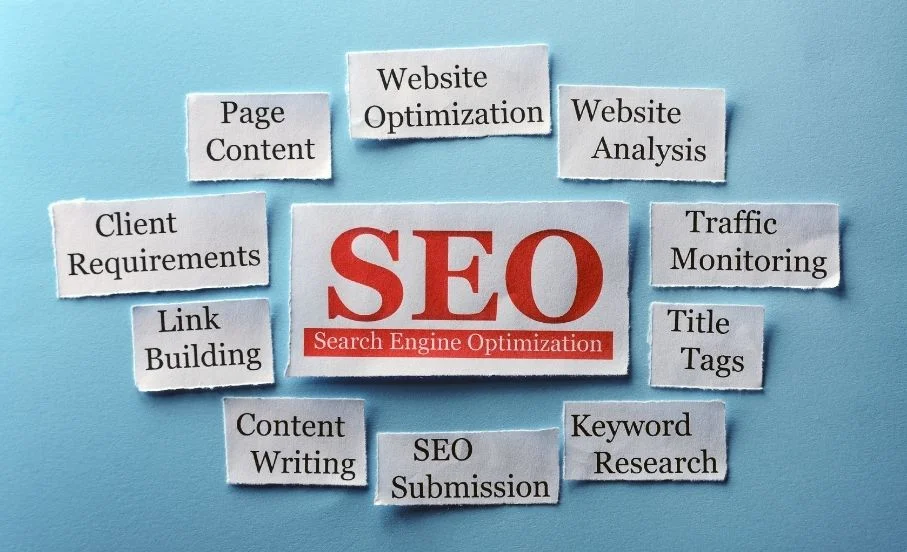
What Works in SEO in 2025
1. AI-Optimized Content
Google’s algorithm now prioritizes content that demonstrates E-E-A-T (Experience, Expertise, Authoritativeness, Trustworthiness). However, in 2025, AI-enhanced human content takes center stage. Writers are leveraging AI tools to structure content more efficiently, but human editing ensures relevance and authenticity.
Search engines reward content that answers real user queries thoroughly and engagingly. Deep topic clusters, semantic keywords, and entity-based SEO are all thriving. Companies like Nold, a seasoned digital marketing company in Kolkata, help businesses integrate AI tools while maintaining human creativity.
2. Voice and Visual Search Optimization
With smart assistants embedded in everything from smartphones to refrigerators, voice search is now a primary mode of inquiry. Phrases like “best vegan cafe near Gariahat” or “how to fix a leaking faucet” are driving long-tail, conversational keyword strategies.
Additionally, Google Lens and similar tools are pushing visual search optimization. Websites optimized with structured data, alt texts, and descriptive image metadata are ranking better in 2025.
3. Core Web Vitals and UX
Google’s continued emphasis on Core Web Vitals means that user experience metrics—loading speed, interactivity, and visual stability—directly impact rankings.
Mobile-first indexing is no longer optional; it’s foundational. Clean navigation, responsive design, and fast-loading pages are essential. Web design teams at firms like Nold ensure that websites not only look great but also perform seamlessly across all devices.
4. Zero-Click Optimization
Featured snippets, knowledge panels, and Google’s SGE mean that users often find answers without clicking a link. While this reduces click-through rates, it enhances brand visibility.
To capitalize, businesses must aim to appear in position zero through concise answers, FAQs, and schema markup. Optimizing content for rich results is a priority in 2025.
5. Topical Authority and Clusters
Topical authority is replacing simple keyword targeting. Brands that cover a subject comprehensively are more likely to rank. Creating pillar content with related cluster articles establishes credibility and improves internal linking.
For instance, a brand selling herbal skincare may create a pillar blog on “Ayurvedic Skincare” and cluster content around “Benefits of Turmeric for Skin” or “Herbal Face Masks.” This signals to Google that the brand is a topical expert.
What Doesn’t Work in SEO in 2025
1. Keyword Stuffing
If your SEO strategy still revolves around repeating keywords excessively, you’re hurting your chances. In 2025, Google’s NLP (natural language processing) algorithms are advanced enough to detect keyword manipulation and penalize low-quality content.
Instead, focus on context, synonyms, and intent-based optimization.
2. Low-Quality Backlinks
Quantity no longer beats quality. Buying thousands of backlinks from low-authority sites is a red flag. Google’s algorithm can detect link spam networks more effectively now.
Earning backlinks through guest posts, digital PR, and partnerships from reputable domains is the only sustainable approach. Firms like Nold help secure credible link-building opportunities through ethical outreach and influencer tie-ups.
3. Thin and Duplicate Content
Google’s algorithms now index based on originality and user value. Pages with 300 words of recycled or duplicate text simply won’t rank. AI detectors also identify duplicated content written by generic bots.
Instead, pages should offer unique insights, visuals, or research that add genuine value to the reader.
4. Ignoring Local SEO
In 2025, hyperlocal optimization is crucial, especially for service-based and brick-and-mortar businesses. If you’re not optimizing your Google Business Profile, collecting reviews, and building local citations, you’re losing out on foot traffic and local searches.
Nold, as a digital marketing company in Kolkata, specializes in geo-targeted SEO strategies for local businesses—whether you’re a boutique café in Park Street or a hospital in Salt Lake.
5. Relying Only on Desktop SEO
The future is mobile-first and app-centric. Users are increasingly using voice commands or searching on wearable tech. If your content doesn’t translate well across these devices, your SEO will suffer.
Investing in app indexing, mobile UX, and AMP (Accelerated Mobile Pages) ensures future readiness.
How to Build an SEO Strategy for 2025
Now that we’ve covered the do’s and don’ts, here’s how to create an SEO strategy that thrives in 2025:

1. Perform an AI-Focused SEO Audit
Start by analyzing your site using tools that evaluate Core Web Vitals, keyword intent, mobile responsiveness, and content quality. AI SEO tools like SurferSEO or NeuronWriter can help optimize structure and keyword placement.
2. Use Semantic Search and Entities
Instead of focusing solely on keywords, create content around entities—people, places, things, or concepts recognized by Google. Add context using related terms and connect pages internally with clear topic clusters.
3. Update and Refresh Old Content
Content decays over time. Refreshing outdated posts with new stats, better formatting, and updated keywords boosts rankings and credibility.
4. Incorporate AI-Generated Assistive Features
Use chatbots, AI-driven FAQ tools, and search assistant widgets to improve engagement and dwell time—signals that Google values.
5. Work With Local Experts
Partnering with a reliable digital marketing company in Kolkata like Nold ensures your SEO efforts align with regional trends and technical best practices. From multilingual content to city-based keywords, local expertise adds significant value.
The Role of Nold in Future-Ready SEO
As the SEO world grows more technical and nuanced, businesses need more than cookie-cutter strategies. Nold brings a blend of creativity, technology, and local insight to build SEO campaigns that actually drive growth. Whether it’s optimizing for Google’s AI-powered search results or improving your site’s performance metrics, Nold understands the mechanics of visibility in 2025 and beyond.
Their services span:
- Advanced keyword research using AI tools
- Technical SEO and schema implementation
- Local SEO campaigns tailored to Bengali-speaking audiences
- Core Web Vitals optimization
- High-authority link-building
Conclusion
SEO in 2025 is about understanding the user, embracing AI, and focusing on quality over hacks. With algorithm updates becoming more intuitive and user-first, success depends on depth, precision, and adaptability.